Slab or Pier-and-Beam: What It Means for Your Plumbing
Short answer: on a slab, pipes run under or through the concrete, so leaks are hidden and repairs often mean rerouting. On pier-and-beam, pipes run in the crawl space, where they're easier to reach but more exposed to cold and damp.
Request a plumberWhich do you have?
If there's a crawl space with vents or skirting around the base of the house, it's pier-and-beam. If the floor sits directly on concrete, it's a slab.
Slab leaks
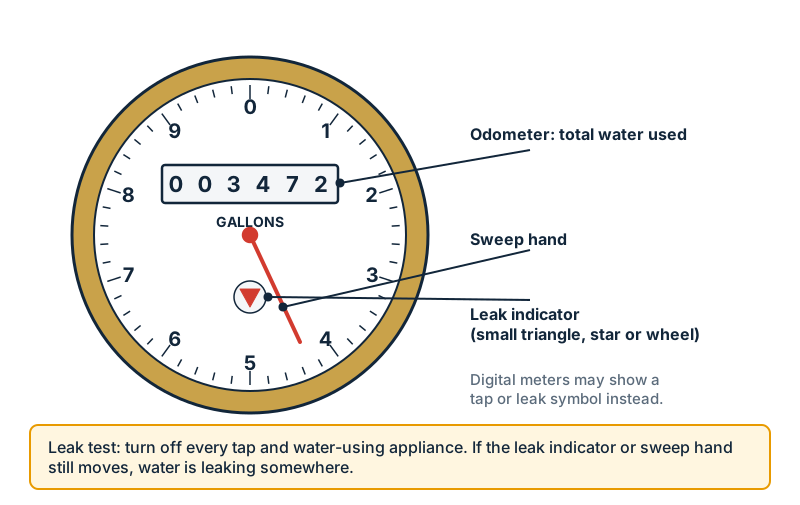
Look for warm floor spots, a meter that moves with everything off and cracks in tile.
Crawl space leaks
Damp soil, a musty smell and sagging insulation under the floor point to a leak.
Clay soil
Shreveport's clay swells and shrinks with the seasons, stressing pipes in both types of homes.
Freeze exposure
Crawl space pipes need insulation and closed vents in a freeze; slab homes mostly worry about attics and outside walls.
Repair access
Raised homes let plumbers reach pipes without breaking concrete; slab repairs often reroute through walls or the attic.
Drain lines
Both types can have old cast iron drains that crack with age.
Inspections
A plumber's camera and pressure test give a clear picture before buying an older home.
Repiping either type
Both foundation types can be repiped. Raised homes route lines through the crawl space; slab homes go through walls and the attic.
Next
See leak detection.
More plumbing guides
Leak, backup or no hot water in Shreveport?
Send a request and a plumber will get in touch. Requests answered 7 days a week.
Prefer email? [email protected]